
Green Ammonia Companies
Enabling cleaner industrial and energy applications through renewable-powered ammonia projects.
A low-carbon fuel and industrial feedstock for the energy transition
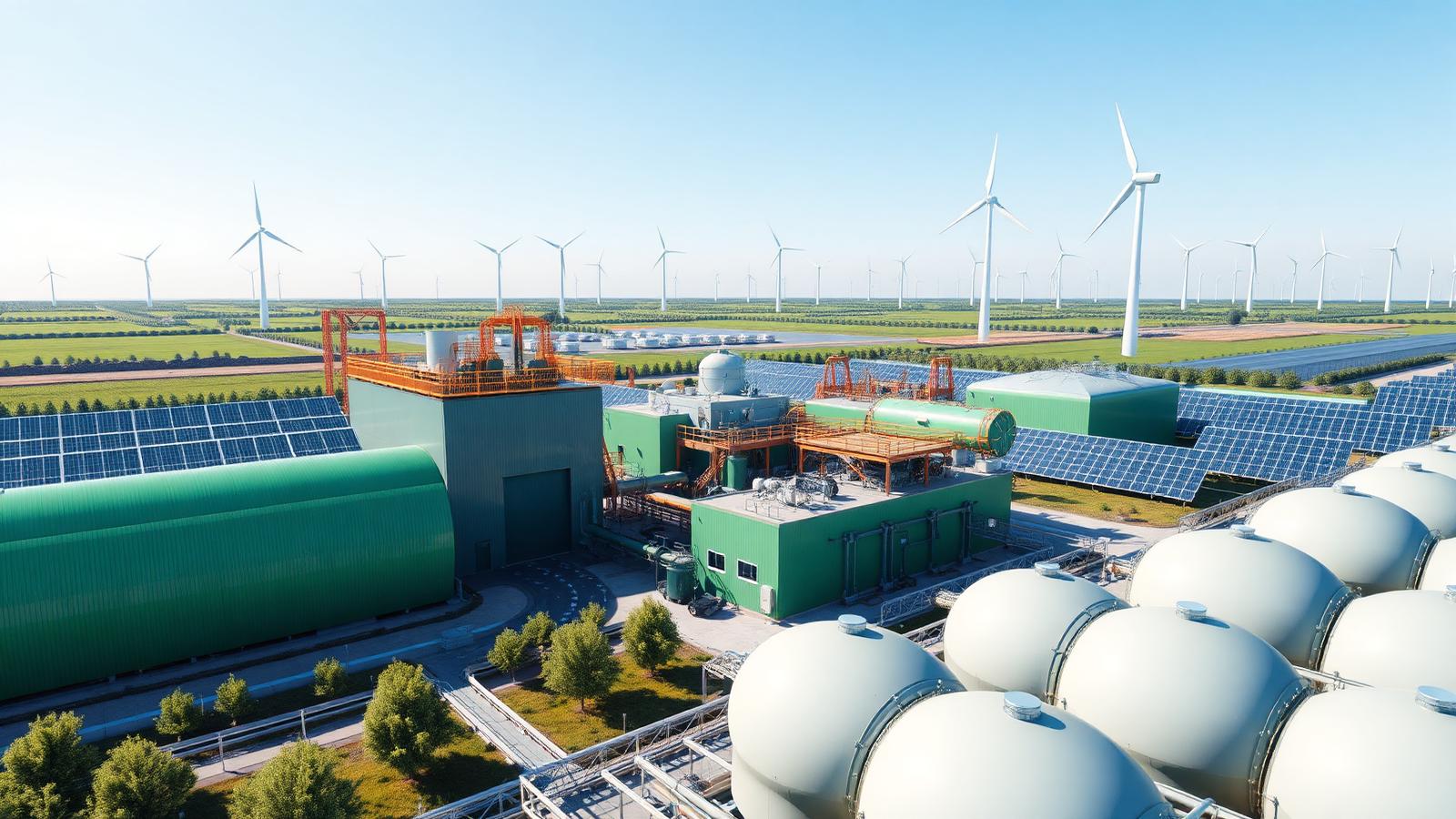
Green ammonia is emerging as an important low-carbon fuel and industrial feedstock for sectors seeking to reduce their dependence on fossil-based resources. As countries and businesses work towards their climate and energy-transition targets, green ammonia companies are developing projects that combine renewable energy, green hydrogen, and ammonia-production technologies.
Conventional ammonia is commonly produced using hydrogen derived from natural gas or other fossil fuels. Green ammonia, in comparison, is produced using green hydrogen generated through water electrolysis powered by renewable electricity — substantially reducing the carbon footprint of ammonia manufacturing.
Where green ammonia creates impact
Fertiliser Production
Replacing fossil-fuel-based ammonia to decarbonise the world's largest ammonia end-use.
Shipping Fuel
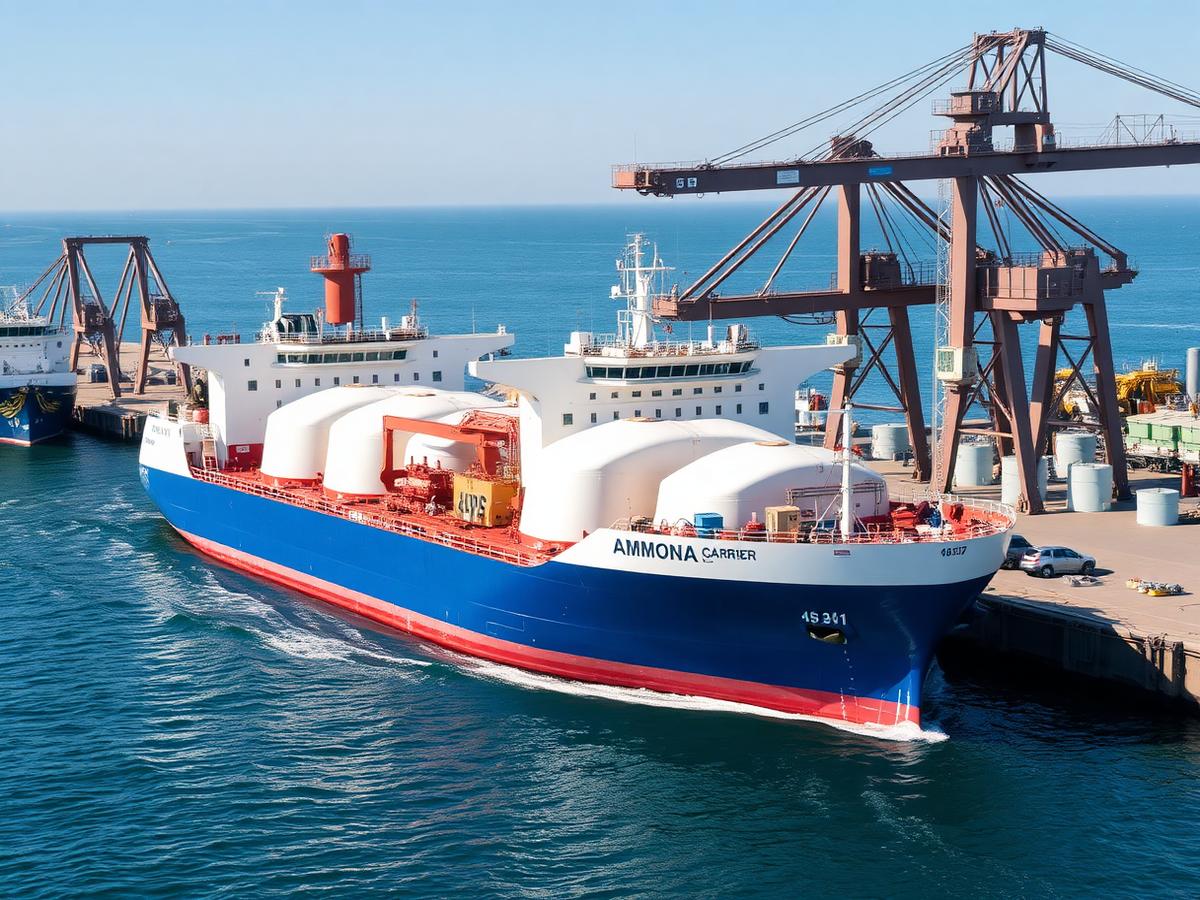
A carbon-free marine fuel supporting the maritime sector's transition to cleaner propulsion.
Power Generation
Co-firing and dedicated ammonia turbines for low-carbon electricity supply.
Hydrogen Carrier
Storing and transporting renewable hydrogen across regions in a manageable liquid form.
Industrial & Chemicals
Feedstock for mining, refrigeration, chemicals and industrial heating applications.
Energy Storage
Long-duration storage of renewable energy to balance intermittent solar and wind.
How green ammonia is produced
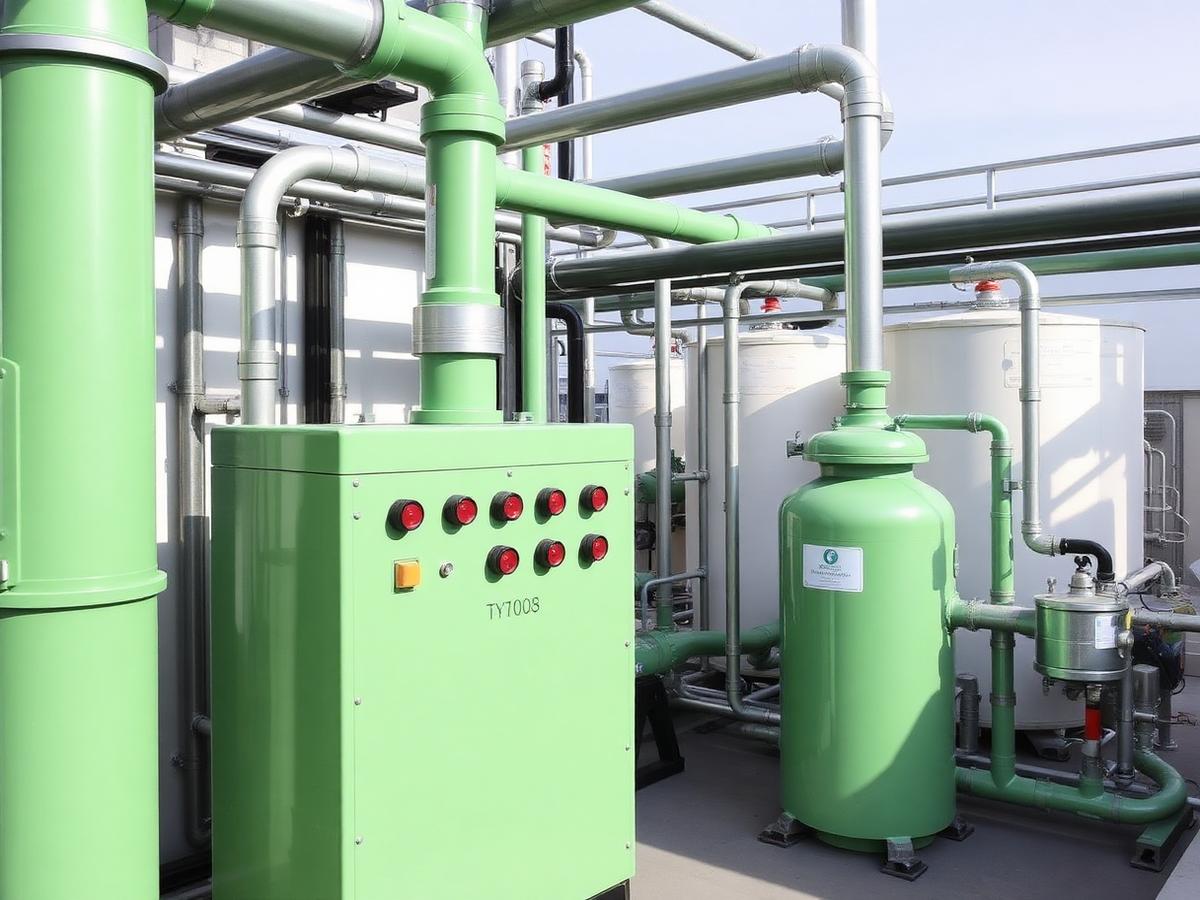
Developing a green ammonia facility requires expertise across renewable power generation, electrolysis, hydrogen management, ammonia synthesis, storage, transportation, water treatment, and plant operations.
- 01
Renewable Power
Electricity generated from solar and wind resources powers the process.
- 02
Green Hydrogen
Water electrolysis splits H₂O into hydrogen and oxygen using renewable power.
- 03
Nitrogen & Synthesis
Nitrogen is separated from air and combined with hydrogen to synthesise ammonia.
- 04
Storage & Transport
Ammonia is stored and shipped to domestic and export markets.
Integrated green molecule solutions from concept to commissioning
Jakson Green develops clean-energy and green-molecule projects designed to support industrial decarbonisation and sustainable energy use. Our capabilities extend across renewable energy, green hydrogen, green ammonia, biofuels, and associated infrastructure.
We follow an integrated project-development and execution approach — feasibility, engineering, procurement, construction, commissioning, renewable-energy integration, and long-term operational support.
- Project feasibility and development
- Renewable energy and electrolyser integration
- Engineering, procurement and construction
- Plant commissioning and operational support
- Solutions for domestic and export-oriented projects
Supporting cleaner supply chains and fuels
Green ammonia can help reduce emissions in industries where conventional ammonia, hydrogen, or fossil fuels are currently used. It also contributes to cleaner fertiliser production and the development of low-carbon supply chains.
For organisations considering green ammonia, factors such as renewable power availability, water resources, electrolyser technology, storage requirements, logistics, plant location and end-use demand must be carefully evaluated. Jakson Green works across these interconnected areas to develop projects that are technically practical and aligned with specific business requirements.
Develop Green Ammonia Projects With Jakson Green
As global demand for cleaner fuels and industrial materials grows, green ammonia companies will play a critical role in building the infrastructure of a low-carbon economy.